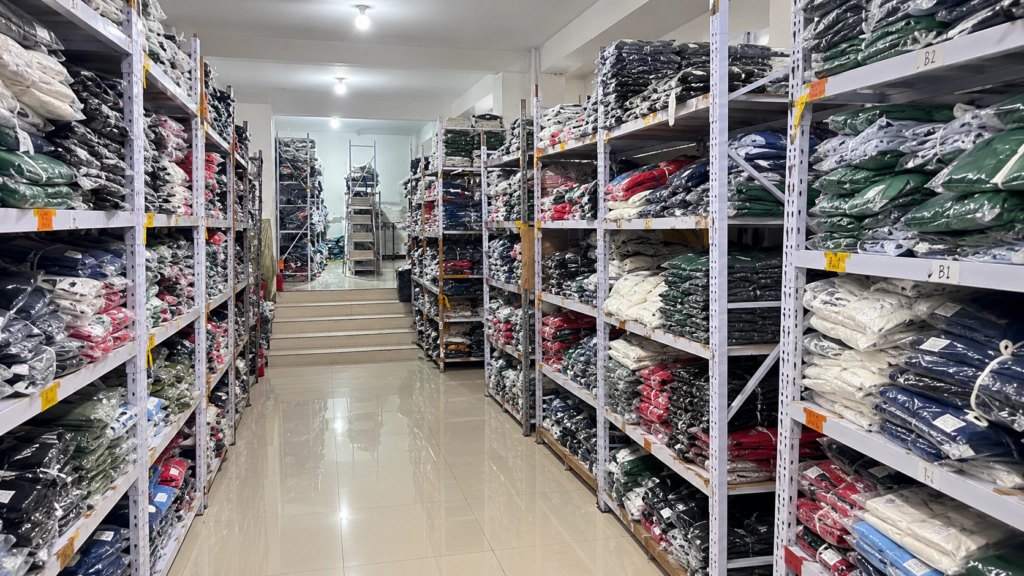
When sourcing custom clothing, one of the first questions buyers ask is: How much will it cost?
However, a garment manufacturer cannot provide an accurate quotation based only on a product photo or a simple description such as “men’s shorts” or “custom jackets.”
The final price depends on several factors, including fabric, style, size, quantity, customization, printing or embroidery, labels, packaging and shipping requirements.
For buyers, providing the right information at the beginning can make the quotation faster and more accurate.
1,Product Style and Design
The first step is to clearly identify the garment you need.
For example, a buyer looking for men’s shorts should provide product photos, technical drawings, reference samples or basic measurements whenever possible.
Important details may include:
- Product type
- Fit and silhouette
- Length
- Pockets
- Waistband design
- Zippers or buttons
- Lining
- Decorative details
If you already have a sample or reference product, our garment factory can use it as a basis for discussing customization and production requirements.
2. Fabric Makes a Big Difference
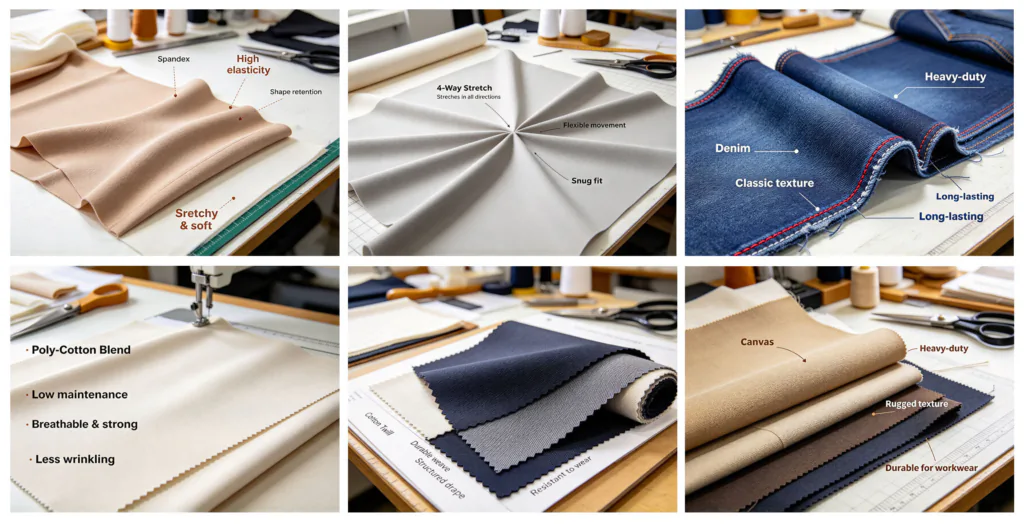
Fabric is one of the most important factors in a garment quotation.
Different fabrics can have very different costs and performance.
For example, our garment production can use cotton, knitted cotton, polyester, spandex blends, linen, denim and other fabrics, depending on the product and buyer requirements.
Buyers should ideally specify:
- Fabric composition
- Fabric weight
- Stretch level
- Surface appearance
- Color
- Performance requirements such as quick-dry or breathable properties
If you are not sure which fabric is suitable, a garment manufacturer can recommend options based on the target price, product function and market.
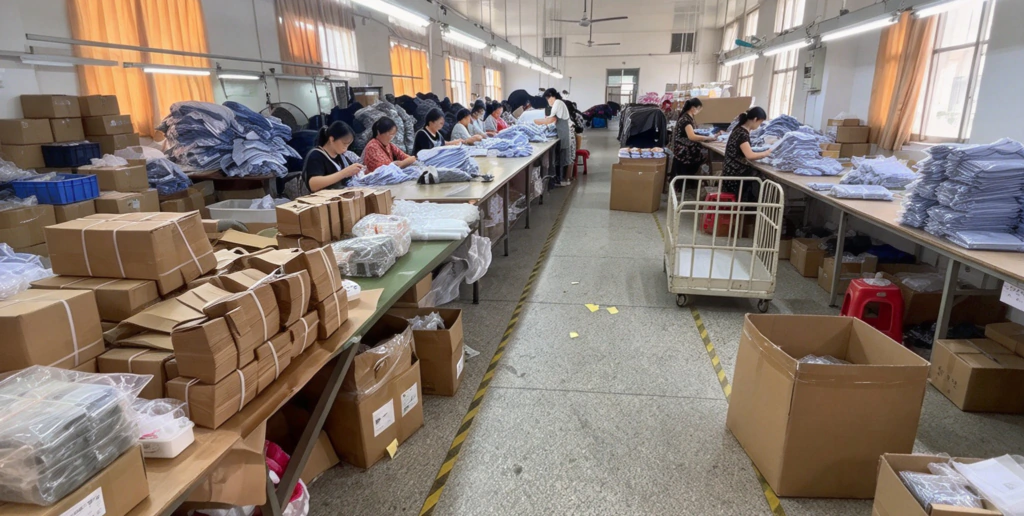
3. Quantity and Size Range
Order quantity is another important part of the quotation.
A buyer ordering 100 pieces and a buyer ordering 5,000 pieces may receive very different prices because production efficiency, material purchasing and factory scheduling can change with quantity.
The size range also matters.
For example, a custom order may include M–4XL or other size requirements. A detailed size chart helps the manufacturer calculate fabric consumption and production requirements more accurately.
4. Customization and Branding
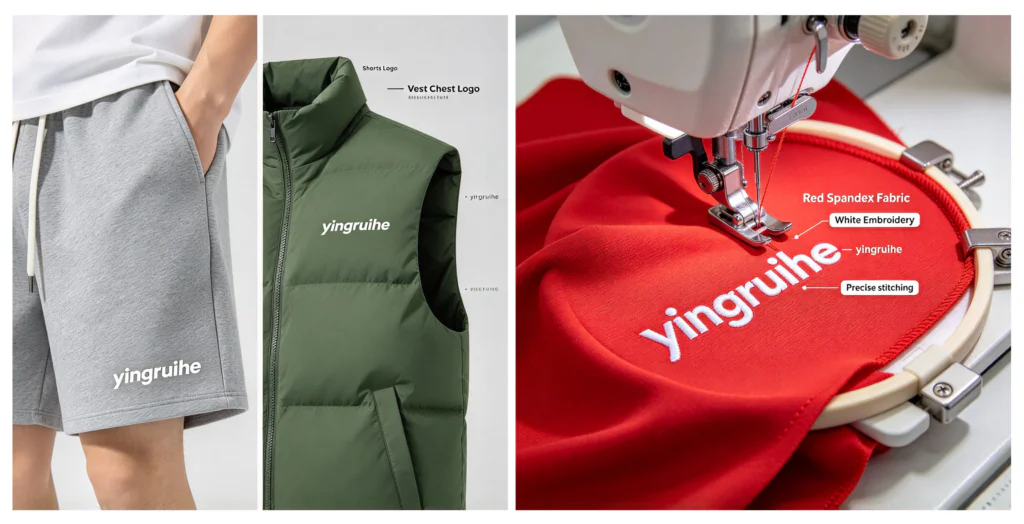
For private label clothing, buyers should also provide branding requirements.
Depending on the product, customization may include:
- Custom colors
- Custom fabric
- Logo printing
- Embroidery
- Woven labels
- Hangtags
- Custom packaging
- Private label requirements
These details can be discussed during the quotation stage so that the buyer receives a more complete cost estimate.
For OEM and ODM garment manufacturing, clear requirements also help reduce misunderstandings before production begins.
5. Sample Before Bulk Production
For new customers or new designs, ordering a sample before bulk production is usually a good way to confirm the product.
The sample can help buyers check:
- Fabric and color
- Size and fit
- Sewing quality
- Logo placement
- Labels and packaging
- Overall appearance
Once the sample is approved, the confirmed specifications can be used as the reference for bulk production.
This process can help reduce unnecessary changes and production risks.
6. What Information Should You Send for a Quote?
To receive a faster quotation from a garment manufacturer or OEM/ODM clothing supplier, buyers can prepare the following information:
- Product photos or design files
- Product type and target market
- Fabric requirements
- Size range
- Estimated order quantity
- Colors
- Logo, label and packaging requirements
- Sample requirements
- Target delivery time
- Shipping destination
The more important information you provide, the easier it is for the manufacturer to understand the project and prepare a suitable quotation.
Final Thoughts
A good garment quotation is more than just a price.
It should reflect the product specifications, fabric, quantity, customization requirements, production process and delivery needs.
Whether you are sourcing men’s shorts, jackets, vests, hoodies or other custom clothing, providing clear product information at the beginning can make the sourcing process more efficient.
As a garment manufacturer and OEM/ODM clothing supplier, we support customized fabric, color, size, fit, logo, label and packaging requirements for bulk orders.
If you have a product photo, sample or design, you can send it to us for an initial discussion and quotation.